Commercial Case
Who this book is for
This book does not belong to a single shelf. It speaks to five distinct audiences simultaneously — each large enough to sustain a commercial title, and each underserved by anything currently available.
Five Audiences. One Book.
The book sits at the intersection of all five markets
Audience by Audience
Popular Neuroscience
Very large
- —Aphantasia community — estimated 2–4% of the population
- —Consciousness studies readers
- —Popular science bestseller market
Aphantasia is one of the most commercially active topics in popular neuroscience right now — a condition that only acquired its name in 2015, with a rapidly growing community of newly self-identifying readers. Consciousness studies are perennial. This book offers a genuinely novel framework, grounded in engineering rather than philosophy, that neither Sacks nor Levitin has addressed.
Music & Performance
Large, passionate
- —~15 million clarinettists worldwide
- —Orchestral and chamber music audiences
- —Sibelius listeners and scholars
The world's fifteen million clarinettists are a ready-made audience. Beyond them: the wider community of orchestral musicians, Sibelius devotees, and readers drawn to the physics-of-music crossover that Levitin and Philip Ball have shown is commercially viable. This book goes further — it argues that the act of performance is the key to understanding consciousness itself.
Engineering & Technology Memoir
Underserved
- —UK space sector (growing rapidly)
- —Engineering and technology readers
- —Science memoir crossover audience
Goonhilly Earth Station and the UK space programme are inherently compelling stories — yet engineering memoir is a dramatically underserved genre. Readers who loved Tracy Kidder's The Soul of a New Machine or Feynman's autobiographical writing will find in this book a British counterpart: precise, witty, and rooted in real technical achievement.
Neurodivergence
Fast-growing
- —Aphantasia and SDAM communities
- —Neurodiversity general readership
- —Healthcare and psychology professionals
The framing of aphantasia as cognitive difference — not deficit — positions the book squarely in the mainstream neurodivergence conversation. Readers who found Adam Rutherford or Hannah Critchlow's work on brain variation compelling will recognise this as a book that reframes difference as insight. The author's own discovery of his aphantasia gives the account authority and authenticity.
Science Communication
Academically engaged
- —Popular science readers
- —Academic and research crossover
- —Douglas Adams readership (the comic register)
DSP concepts made accessible through lived experience — this is science communication at its most effective. The book's argument is original enough to attract serious academic attention alongside popular readership. The myelination framework — consciousness as a function of neural timing and integration, not complexity — is a genuinely novel contribution, not merely metaphor.
Author Platform
The promotional infrastructure exists before publication. These are not aspirational contacts — they are existing relationships in sectors that rarely produce books of this kind.
UK Space Sector
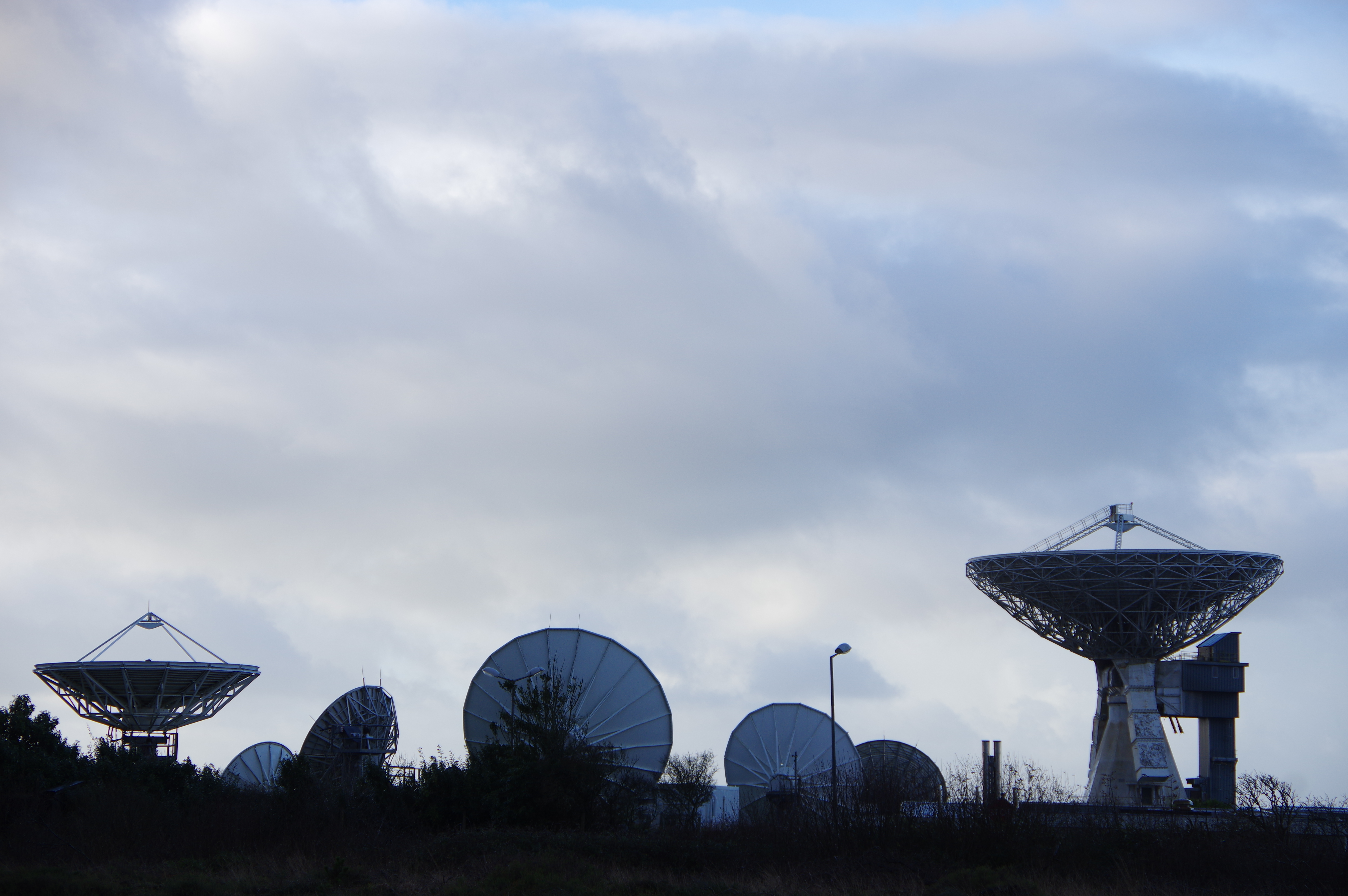
Goonhilly is a nationally recognised name. The UK Space Agency, Satellite Applications Catapult, and a growing commercial sector provide event, media, and broadcast opportunities.
Orchestral World
Active connections to the UK orchestral scene. Potential for pre-publication readings at music festivals, concert programme features, and BBC Radio 3 engagement.
Aphantasia Community
The Aphantasia Network and associated online communities represent a uniquely engaged and self-identifying readership. The author's own diagnosis gives him direct standing within this community.
Broadcast & Events
The book's scope — space, music, neuroscience — maps directly onto BBC science programming. Festival of Ideas, Cheltenham Science Festival, and Hay Festival are natural fits.
Full market analysis available.
Detailed audience research and comparable sales data in the proposal.