About the Author
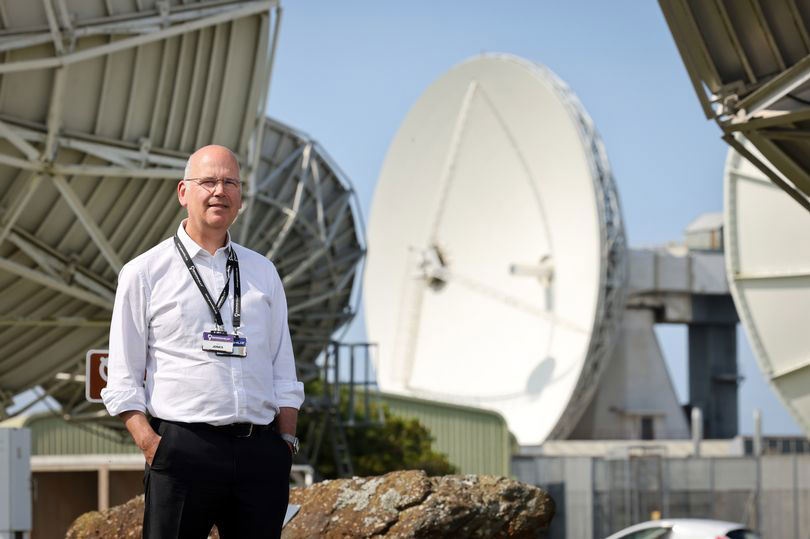
Ian Jones
There is no one else at this intersection. An engineer who built Britain’s gateway to deep space. A clarinettist who performs Sibelius. A mind that cannot form a single mental image. The book could only come from here.
Ian Jones grew up in the years of Apollo — a childhood spent building radios, taking things apart, and learning to play music in a household where engineering and the arts were equally serious pursuits. He studied electronics, moved into digital communications, and arrived at satellite systems at the moment when the mathematics of signal processing was transforming what it was possible to do with a radio wave.
His career placed him at the centre of the UK’s commercial space sector. He founded Goonhilly Earth Station on the Lizard Peninsula — transforming a decommissioned BT satellite facility into the world’s first commercial deep space communications ground station, tracking missions to the Moon, Mars, and beyond. Goonhilly now supports the European Space Agency, NASA, and a growing list of commercial operators. It is a nationally recognised name in the UK space programme.
In parallel, and entirely separately, Jones has spent much of his adult life playing clarinet in orchestras and ensembles. He performs at orchestral level — including, notably, the opening solo of Sibelius’s First Symphony, a passage of exposed, unaccompanied writing for clarinet that has a particular significance in this book’s argument.
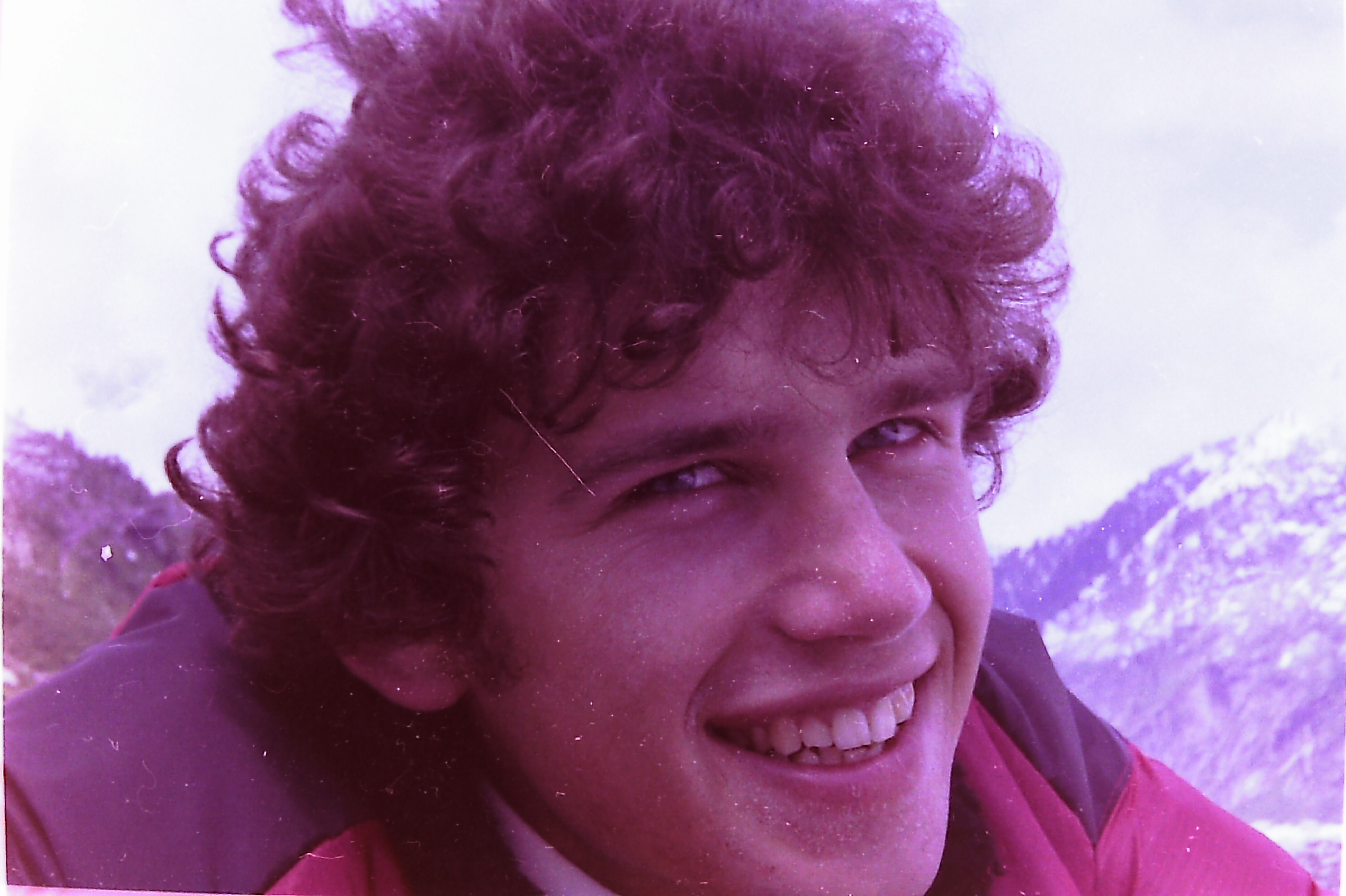
The same person who built radios as a teenager, played in youth orchestras, and spent decades at the frontier of satellite communications — and who discovered, late, that his mind works quite differently from most.
The discovery of his aphantasia — the complete absence of voluntary mental imagery — arrived relatively recently, during the period in which this book was taking shape. The condition is not rare (it is estimated to affect two to four per cent of the population) but it is poorly understood, and its implications for theories of cognition are profound. For Jones, it was also clarifying: it explained a great deal about how he had navigated both a technical career and a musical life without the mental cinema that most people take for granted.
The book is the result of a recognition that these three domains — engineering, music, and a profoundly different kind of cognition — are not merely parallel biographies. They are, when examined carefully, the same story. The mathematics of digital signal processing, the neuroscience of aphantasia, and the structure of Sibelius’s First Symphony all point at the same underlying mechanism. That mechanism, Jones argues, is what consciousness is.
He has spoken and written on the UK space sector, space education, and the Goonhilly story. He is involved in UK space policy and Space Domain Awareness. He has connections across the orchestral world and within the aphantasia community that provide a promotional infrastructure well ahead of publication. He is based in the UK.
In Brief
Founder
Goonhilly Earth Station Ltd — the world's first commercial deep space communications ground station
Engineer
Digital signal processing and satellite communications — four decades of design, build, and operation
Policy
UK space policy, Space Domain Awareness, and the commercial space sector
Musician
Clarinettist performing at orchestral level — including the opening solo of Sibelius's First Symphony
Condition
Aphantasia — the complete absence of voluntary mental imagery, discovered during the writing of this book
Two Worlds
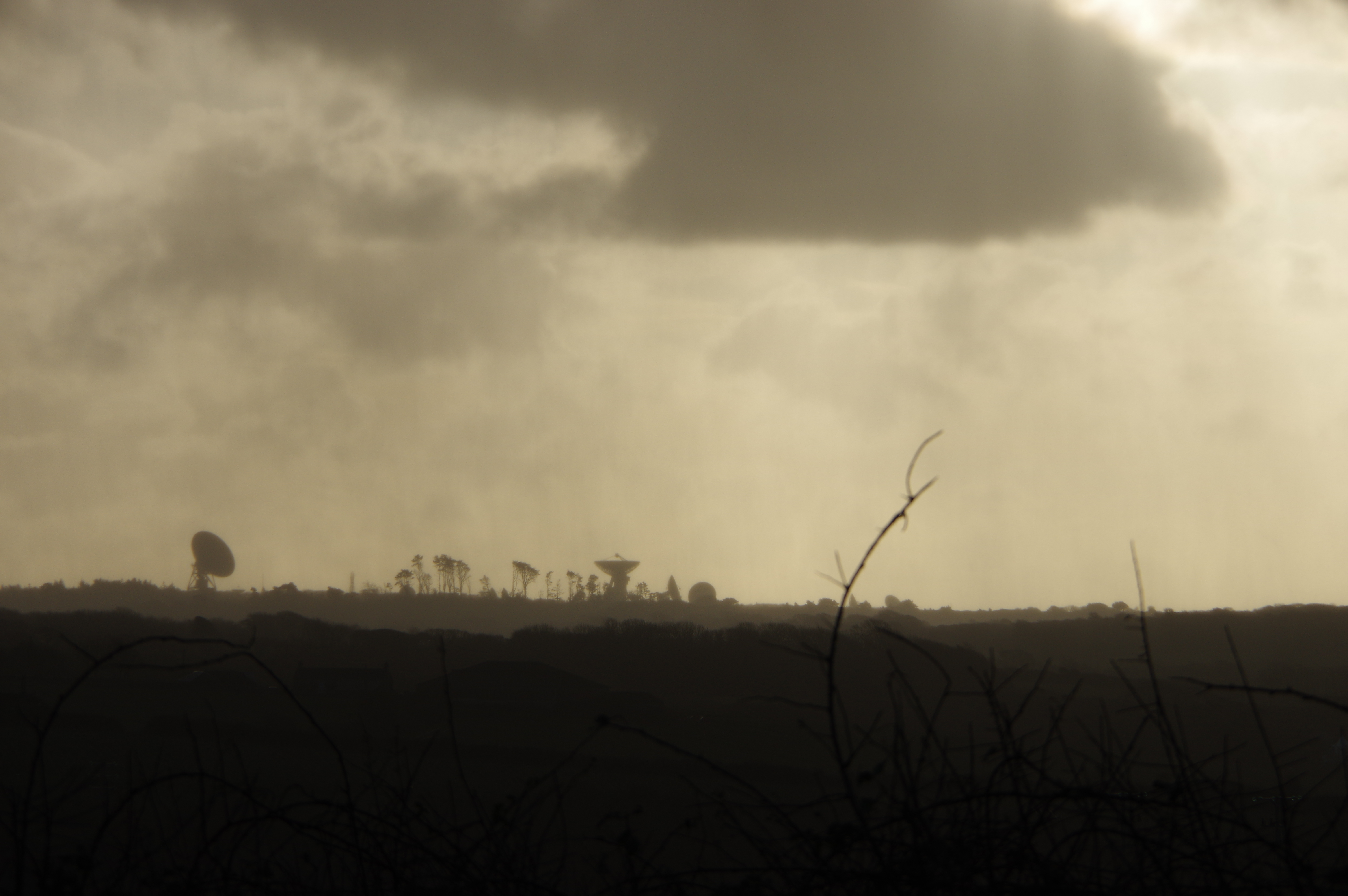
The Engineer
Goonhilly, the Lizard Peninsula — Britain’s gateway to deep space

The Musician
The clarinet, the orchestra — performing Sibelius without a mind’s eye
The same person. The same mind. The same argument.
Complete proposal available on request.
Full biography, platform detail, and sample chapters included.